
Free VPN vs Paid VPN: What's the Difference, and Is Paid Worth It?
You can get a VPN for free, so why pay? The honest difference between free and paid VPNs, why free ones fall apart the moment you stream, and when each actually makes sense.
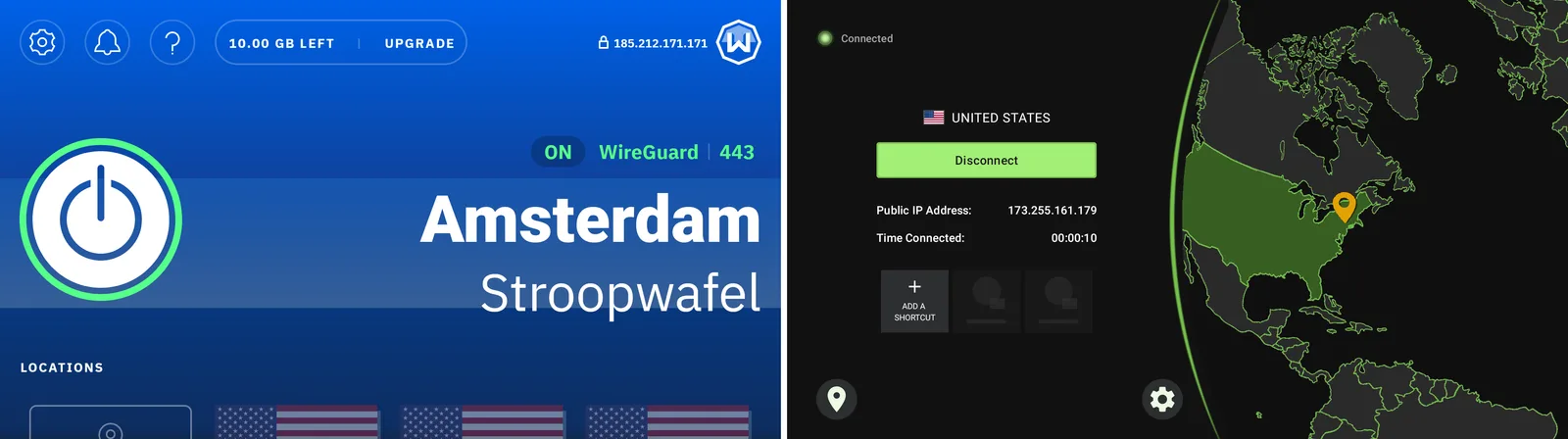
You can download a VPN for free right now, so why does anyone pay for one. It is a fair question, and the honest answer is not "free bad, paid good." It is that free and paid VPNs make their money in completely different ways, and once you see how, the choice for a streaming device like a Fire Stick makes itself.
Here is the real difference, no sales pitch, and where each one actually makes sense.
The one rule that explains all of it
A VPN costs real money to run. Servers, bandwidth, and staff are not free. So there is a simple rule worth remembering: if you are not paying for the product, you usually ARE the product.
A paid VPN makes its money from your subscription, so its job is to keep you happy. A free VPN has to earn some other way, and that other way is almost always at your expense. That is the whole difference in one sentence. Everything below is just the detail.
How free VPNs actually pay the bills
Not every free VPN is shady, but most cover their costs in one of these ways, and each one costs you something:
They log and sell your data. This is the big irony. The exact thing you got a VPN to stop, a company watching what you do online, is how a lot of free VPNs earn. You traded your internet provider for the VPN company, and sometimes that is the worse deal.
They cap your data. Many free tiers give you a small amount of data per month, sometimes just a few GB. That is fine for checking email. It is nothing for streaming, where a couple of hours of video can burn through your whole month.
They are slow, with few servers. Free users get the crowded, limited servers. So you trade your provider throttling you for the VPN itself being the bottleneck. On a streaming device that is the worst outcome, all of the hassle and none of the smooth playback.
Ads, and sometimes worse. Some inject ads into your browsing. A few free VPNs have genuinely been caught doing shady things with your connection, and you usually cannot tell which from the app store page.
What you are actually paying for
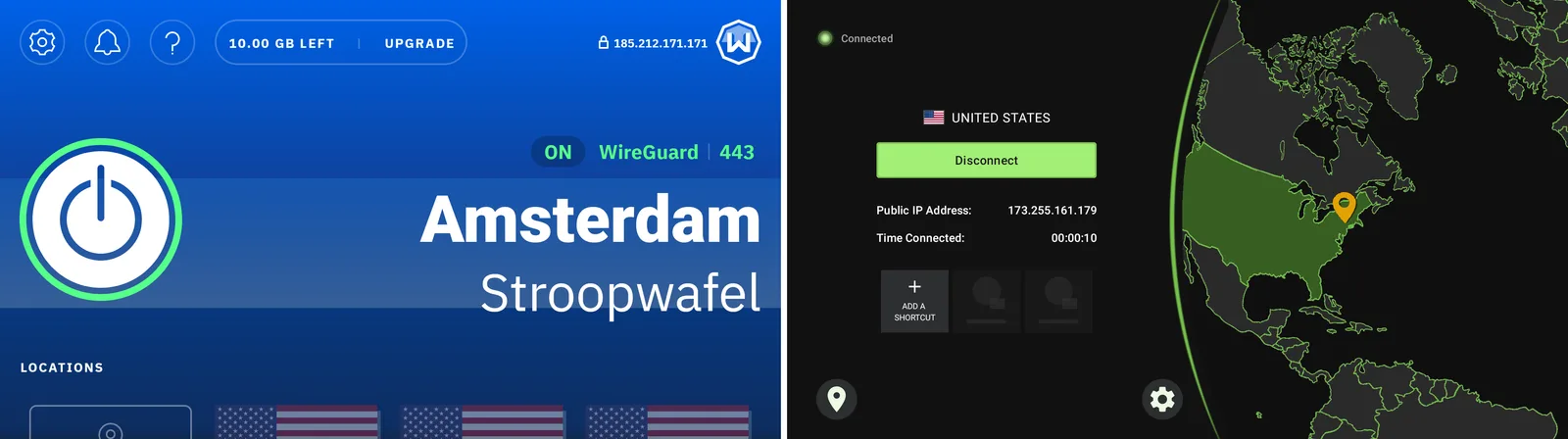
A paid VPN is a few dollars a month, less on a longer plan. Here is what that buys that free almost never does:
- No logging. A reputable paid VPN earns from your subscription, so it has no reason to record or sell what you do. The good ones have their no-logs promise independently audited.
- Unlimited data. Stream all you want. No meter, no "you are out for the month."
- Fast servers, lots of them. This is what makes streaming actually work, the difference between smooth playback and a spinning wheel.
- A real Fire TV app. Most free VPNs are phone-first and painful on a TV. A proper paid one has an app built for your remote.
So is paid actually better?
For streaming on a Fire Stick, yes, and it is not really close. A free VPN with a data cap and slow servers defeats its own purpose the moment you try to watch anything. You would spend more time hitting limits and buffering than you would just paying a couple of dollars and forgetting about it.
If you have not yet decided whether you even need a VPN at all, start here first: do you actually need a VPN on your Fire Stick. If you already know you do, then for a streaming box, paid is the answer.
To be fair, when is a free VPN fine?
Honesty matters, so here it is: a free VPN is fine for light, occasional, non-streaming use. Checking email on coffee-shop Wi-Fi from your phone, hiding a quick browse now and then, that sort of thing. If that is genuinely all you need, a reputable free tier will do the job.
But that is not what a Fire Stick is for. A Fire Stick is a streaming machine, and streaming is the exact thing free VPNs are worst at.
What I use
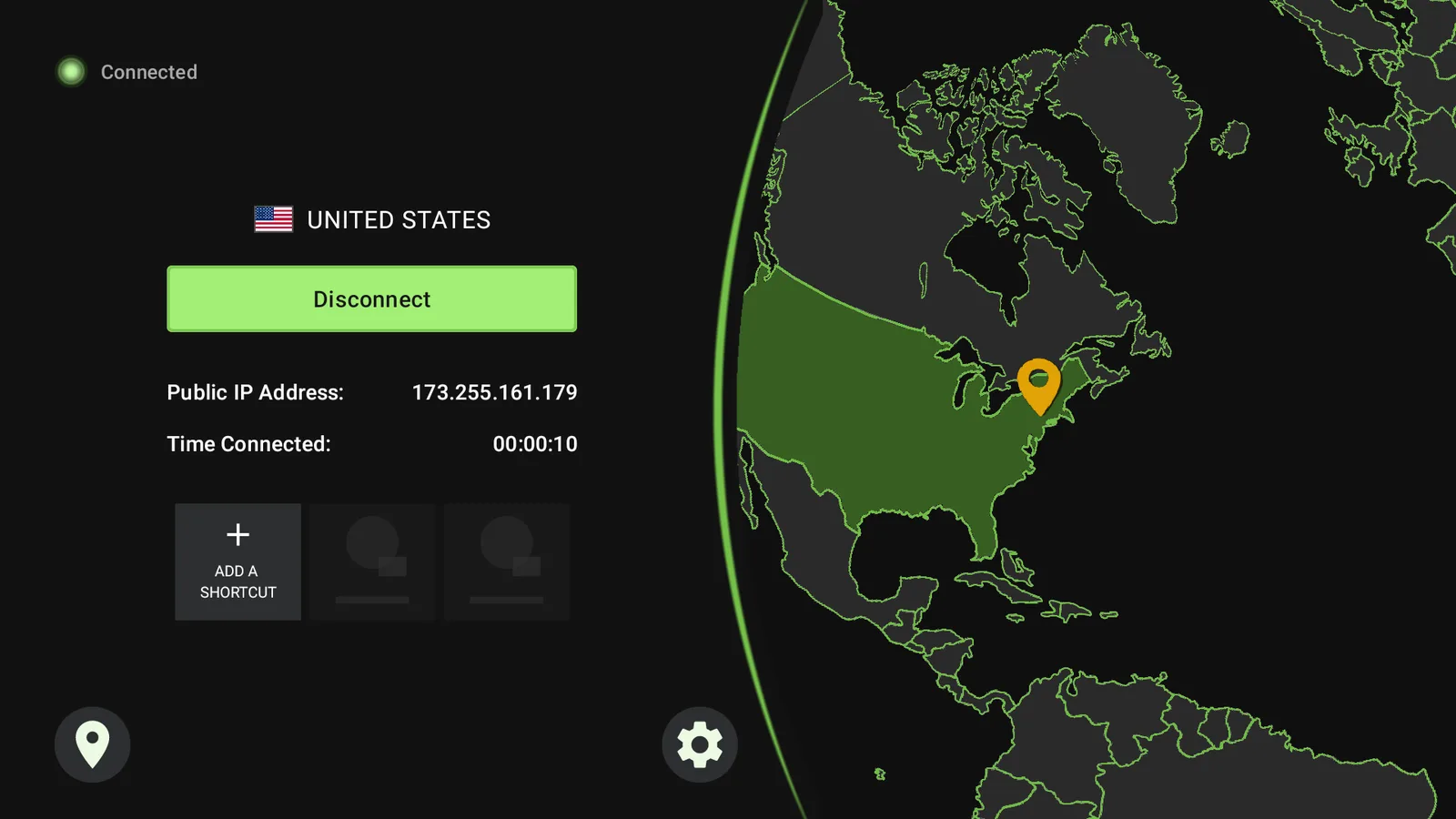
On my own Fire Sticks I run IPVanish, and it hits every point above: no logs, unlimited data, fast servers built for streaming, a proper Fire TV app, and one account that covers every device in the house. For the price of a coffee or two a month, my streams stay private and they actually play. That is the trade I will take every time.
Stay private on your Fire Stick with IPVanish
It's the VPN I run on my own Fire Stick. It hides what you stream and sideload from your internet provider, and unblocks a lot more.
Frequently asked questions
Are free VPNs safe?+
Some are, many are not, and it is hard to tell from the outside. The safer ones usually cap your data or limit your speed instead, which makes them a poor fit for streaming. If a VPN is completely free with no limits at all, be suspicious about how it makes its money.
Is a paid VPN worth it for a Fire Stick?+
For streaming, yes. Unlimited data and fast servers are the whole point on a TV, and those are exactly what free VPNs hold back. It is a couple of dollars a month to make streaming private and smooth.
Can I just use a free VPN for streaming?+
You can try, but most free VPNs cap your data at a level a few hours of video will blow through, and the free servers are usually too slow for smooth playback. It tends to be more frustrating than it is worth.
How much does a good paid VPN cost?+
Usually a few dollars a month, and less if you pay for a longer plan up front. It is one of the cheaper subscriptions you will have, and unlike most, it actively saves you from buffering.
Which paid VPN do you recommend?+
IPVanish. Fast servers, no logs, unlimited data, a real Fire TV app, and one account covers all your devices. It is the one I run myself.
Comments0
Join the conversation. Be kind, and no piracy talk.